

Plastics Rotomolding, also known as rotomolding or rotational throwing, can be a plastic-type manufacturing process which has been around in excess of 50 years. This process requires warming up a vast volume of plastic material powder in a hollow fungus after which revolving the fungus slowly in every guidelines to distribute the information evenly. The plastic material substance then cools and solidifies, generating the ultimate product or service. Rotational molding is well-known for developing goods for example tanks, storage containers, play ground devices, and vehicle pieces. In this post, we will protect all that you should know about rotational molding.

Rotational Molding Approach
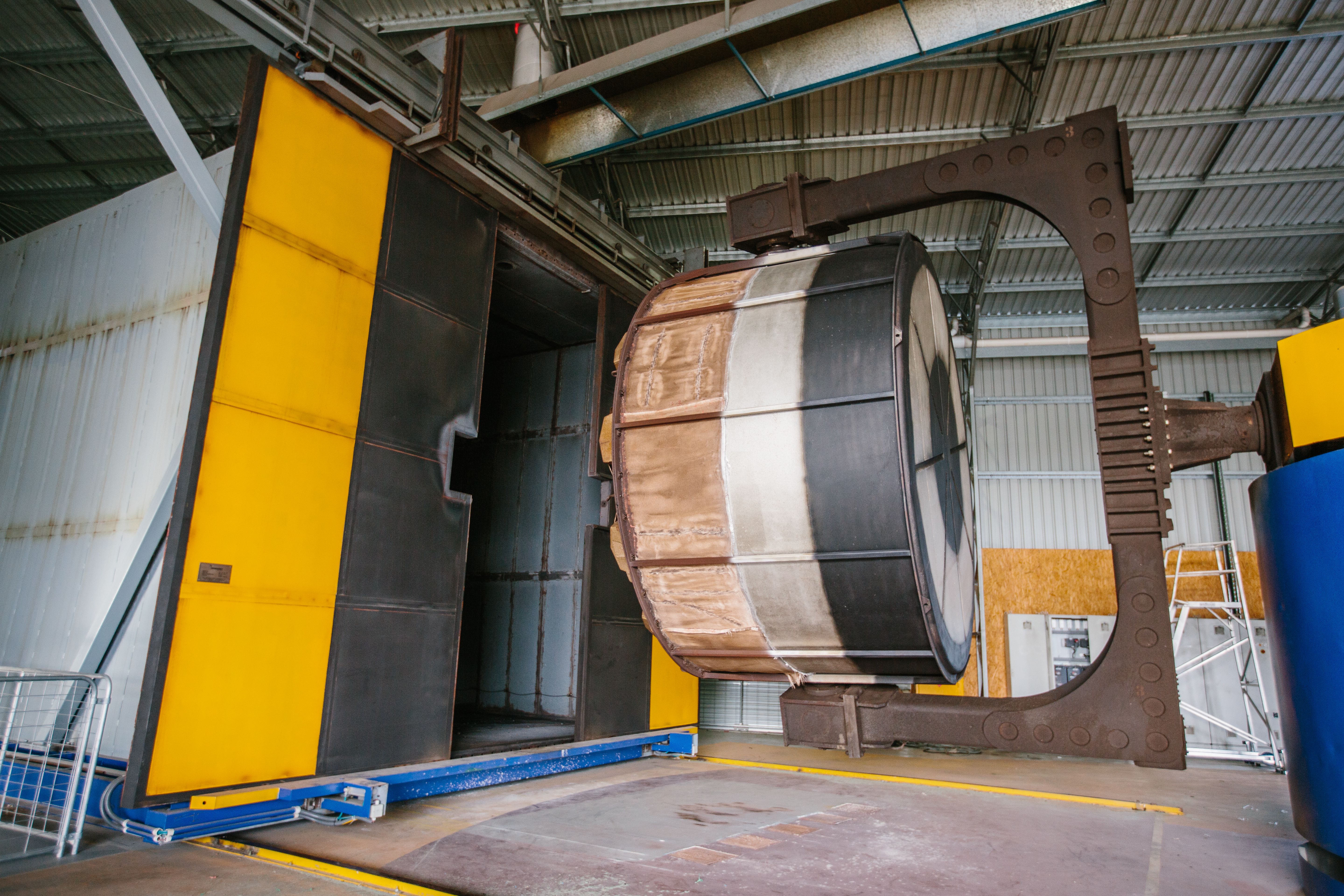
The rotational molding procedure entails a number of steps. To begin with, the mildew is filled with powdered plastic-type material materials, which happens to be then heated up up, typically to some temp of 300-400°F. The heating method can take approximately 20 minutes. Once the natural powder starts to dissolve, the mold is rotated in various directions, producing a much covering across the whole fungus work surface. The mildew will then be cooled to harden the plastic-type material substance, so when it gets to space temperatures, the product can be ejected.
Great things about Rotational Molding
Rotational molding is acknowledged for its overall flexibility as it can generate many different styles and sizes. In addition, the procedure can accommodate inserts or aluminum components which can be integrated into this product style. The materials employed in rotational molding can even be customized to fit the specific demands of your product or service, no matter if it must be heavy-duty or lightweight. Rotational molding is ideal for producing products in smaller levels too, and it's also quicker and price-successful compared to other plastic-type material moulding techniques.
Resources Found in Rotational Molding
There are several types of plastic material components which can be used in rotational molding. The most typical plastic material components employed involve polyethylene, polypropylene, nylon material, PVC, and polycarbonate. Each and every material comes along with its unique components, which makes it suitable for particular goods and apps. Polyethylene, as an example, is commonly used within the manufacture of normal water storage tanks because of its power to endure severe weather conditions.
Uses of Rotational Molding
Rotational molding is a wonderful approach suitable for generating goods that need sturdiness and power. Therefore, it discovers application in different industries including automotive, agriculture, aerospace, construction, and household furniture. A few of the goods generated utilizing rotational molding consist of gasoline tanks, water tanks, leisure time products, engage in buildings, and traffic obstacles.
Conclusion:
Rotational molding is an revolutionary developing process that provides many benefits, from the flexibility to all the different materials accustomed to develop higher-quality, durable merchandise. It's vital to work alongside a competent maker with expertise in rotational molding to ensure your product's design and style will fulfill the intended requirements. With a little luck, this website has provided you with an informative breakdown of the rotational molding procedure and why it's a favorite option for production several types of plastic-type goods.